
MI-001
Annex III
Water Meters
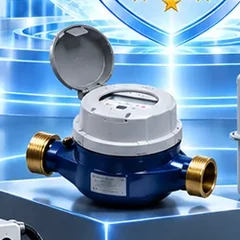
Residential and industrial mechanical, electronic and ultrasonic water meters.
Applicable Modules
Module BModule DModule F
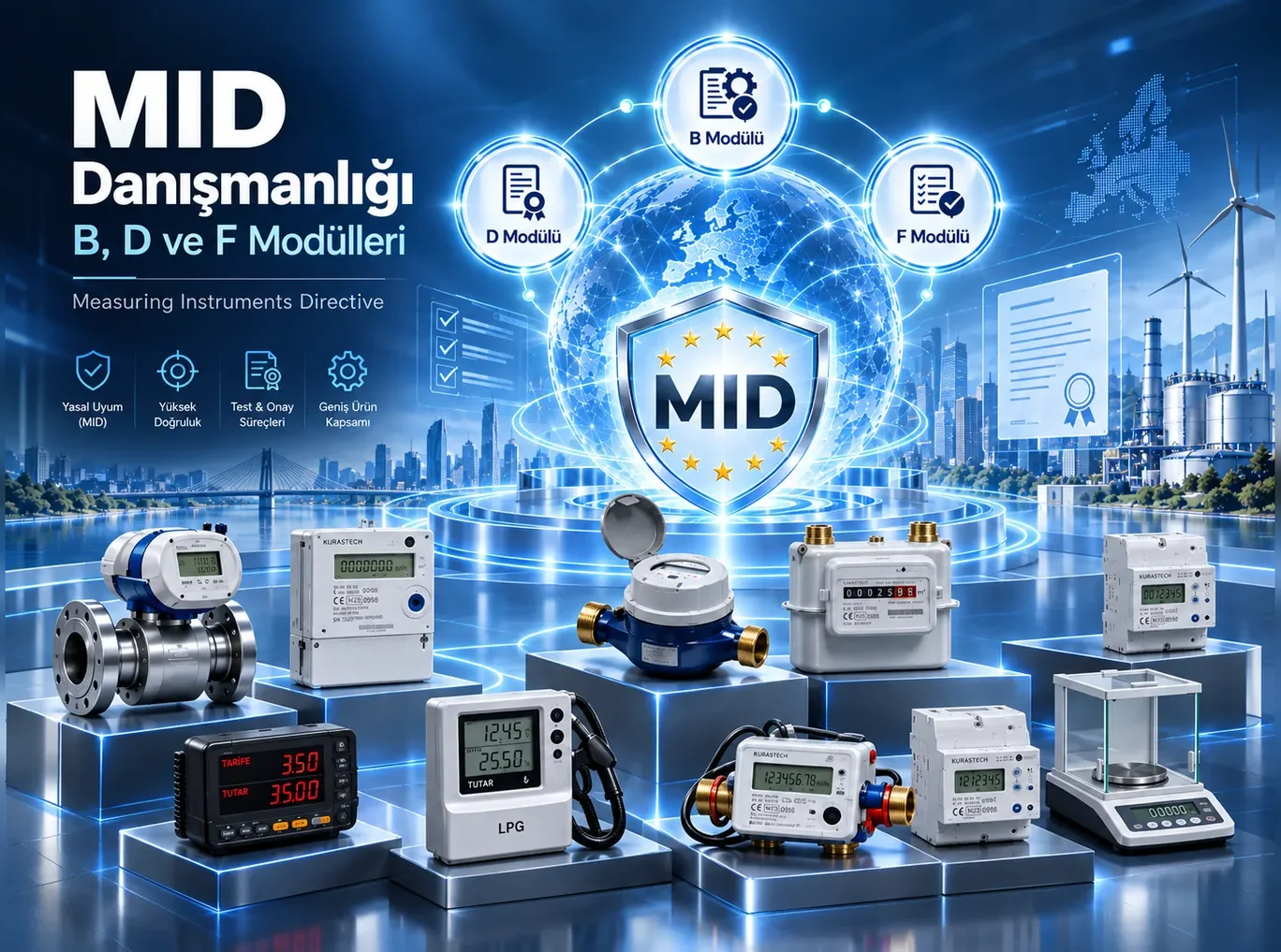
At KURASTECH, we provide end-to-end consultancy to manufacturers wishing to place measuring instruments on the European Union market under the Measuring Instruments Directive 2014/32/EU (MID).
We plan and manage the entire process with you, from the pre-assessment of your product and preparation of the technical file to testing, notified body audits and CE marking.
8
Instrument Groups
B·D·F
Modules
CE+M
Marking
Certification is carried out by a notified body; KURASTECH provides consultancy support to the manufacturer at every step of this process.
Pre-Assessment and Gap Analysis
Assessment of your product against the MID essential requirements, harmonised standards and OIML recommendations (R49, R137, R46, R75, etc.).
Choosing the Right Module
Determining the module combination (B+D or B+F) that suits your production structure.
Technical File Preparation
Preparation of the technical file including design, drawings, software, test reports and risk analysis.
Preliminary Tests and Test Plan
Planning accuracy, environmental and durability tests before type examination.
Quality System Setup (Module D)
Setting up a quality system covering production, final inspection and calibration processes.
Process Management with the Notified Body
Following correspondence, audits and the closing of findings from application to certificate.
EU Declaration of Conformity and Marking
Preparation of the EU declaration of conformity and correct application of CE + M marking.
Training and Ongoing Support
Training in MID, measurement uncertainty and test methods; surveillance support after certification.
2014/32/EU MID annexes, instrument codes and applicable modules
Residential and industrial mechanical, electronic and ultrasonic water meters.
Applicable Modules
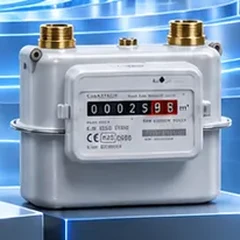
Diaphragm, rotary and turbine gas meters and electronic volume converters.
Applicable Modules
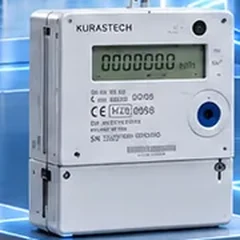
Active energy meters for residential, commercial and light industrial use.
Applicable Modules
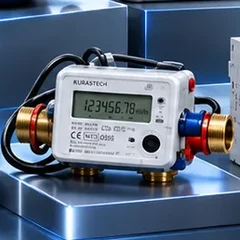
Heat meters: flow sensor, temperature sensor pair and calculator.
Applicable Modules
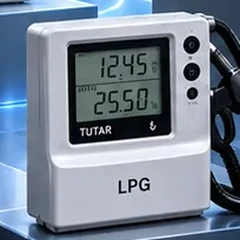
Fuel dispensers, road tanker and pipeline liquid measuring systems.
Applicable Modules
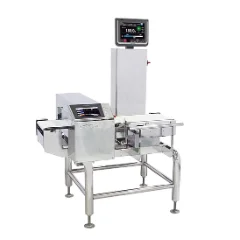
Checkweighers, automatic filling, belt and rail weighing systems.
Applicable Modules
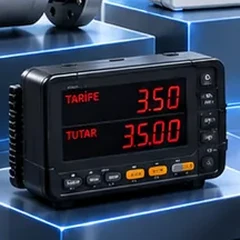
Taximeters that calculate fares by distance and time.
Applicable Modules
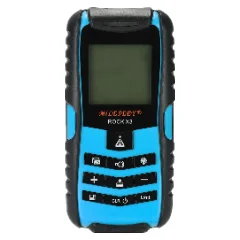
Instruments measuring length, area and multiple dimensions.
Applicable Modules
Automatic weighing and dimensional measuring instrument images: Wikimedia Commons – YamatoScale (CC BY-SA 4.0), Mileseey (CC BY-SA 3.0).
Consultancy for Annex II – Module B, D and F processes
Examination of whether the technical design of the instrument meets the essential requirements of the directive, and the EU type-examination certificate.
Approval and surveillance of the quality system covering production, final inspection and testing.
Verification by examination and testing that manufactured instruments conform to the approved type.
Markings that must appear on a measuring instrument under 2014/32/EU
Example marking: CE + M26 (year 2026) + notified body identification number
CE Marking
Indicates that the product complies with all relevant EU legislation and can circulate freely on the EU market. It is affixed by the manufacturer after the conformity assessment is completed.
Supplementary Metrology Marking
Consists of a capital letter “M” in a rectangle and the last two digits of the year in which it was affixed. It immediately follows the CE marking and shows that the instrument has been assessed under MID.
Notified Body Number
The four-digit identification number of the notified body involved in the production phase (Module D or F) appears next to the markings.
Rules
Markings must be visible, legible and indelible; the CE marking must be at least 5 mm high and its proportions must be respected. KURASTECH provides consultancy on the correct application of the markings.